STEM

STEM starts with the end in mind By the time students transition to high school, the disparity between girls’ and boys’ interest in STEM is already evident. Three decades of research show that an average of 15.7% of freshman girls express interest in STEM careers in comparison to 39.5% of their male peers. With 75%
Read More… from Three Tips to Close the Gender Gap in STEM-Based Careers
0
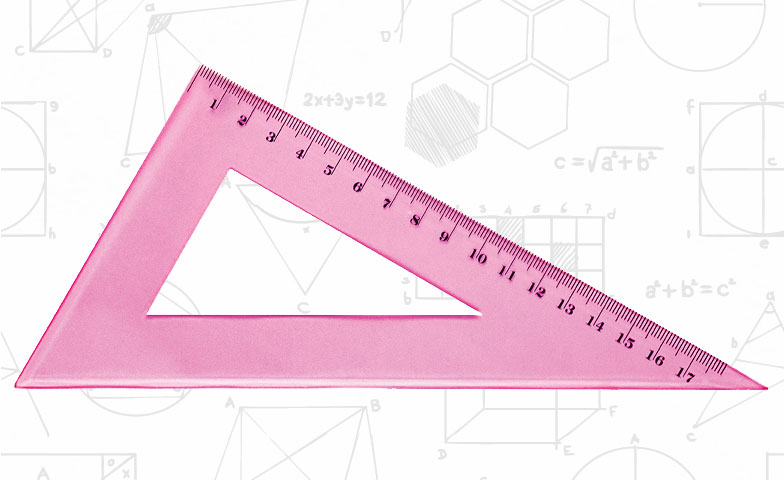
Facilitating rich discourse to engage students and develop confidence Through education, teachers influence change in their students’ mindsets, which in turn can help students become successful individuals (Yeager & Dweck, 2012). We believe that the best teachers guide, motivate, and inspire their students. Teaching mathematics effectively is crucial to developing students who can solve problems
Read More… from Beginning with Growth Mindset in the Math Classroom
1
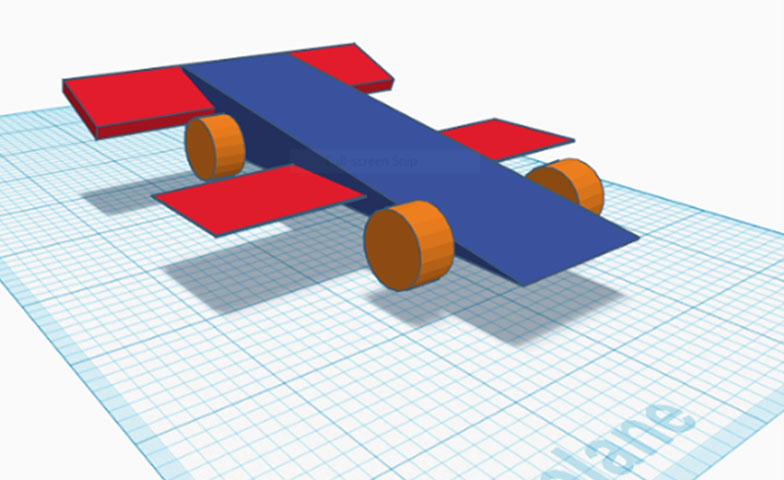
Students build and print objects while developing proportional reasoning and technology skills Each year we explore new and innovative ways to teach middle grades students the foundational concepts and skills they need for algebra such as proportional reasoning. This year, we engaged students in a scale modeling project using 3D technology. Throughout the project, students
0
Erik M. Francis, M.Ed., M.S. is an author, educator, and speaker who specializes in teaching and learning that promotes cognitive rigor and postsecondary (college and career) readiness. He is the author of Now THAT’S a Good Question! How to Promote Cognitive Rigor Through Classroom Questioning (ASCD). He is also the owner of Maverik Education LLC, providing academic
0

Using children’s literature to explore “rich” representations and purposeful tools in mathematics “Everything seems cheap—when was this book made?” asked one student as we embarked on an activity to engage students in a meaningful exploration focused on mathematical modeling and connections using the children’s literature book, Alexander, Who Used to Be Rich Last Sunday (Viorst 1978). In
0
0