Teaching

Student Reflection: A Tool for Growth and Development

Weekly reflections guide teaching and learning. Reflect is what educators do. College professors give value to reflecting on pedagogical practice. Administrators expect us to reflect on our practice in instructional evaluations. Inservice instructors ask us to reflect on what we learned from each training session. As teachers reflecting on ways to enhance our daily instruction,

Read More… from Student Reflection: A Tool for Growth and Development

Necessary Noise: The Importance of Collaborative Learning

An old-fashioned radio broadcast encourages deeper reading. Connections between students, connections between texts and students, and connections between texts and the real world are vital to student learning. In classrooms, one way to make connections is by linking people, ideas, behaviors, and activities through projects. My first experience teaching in a classroom was when I

Read More… from Necessary Noise: The Importance of Collaborative Learning

Are You Ready for an Expedition?

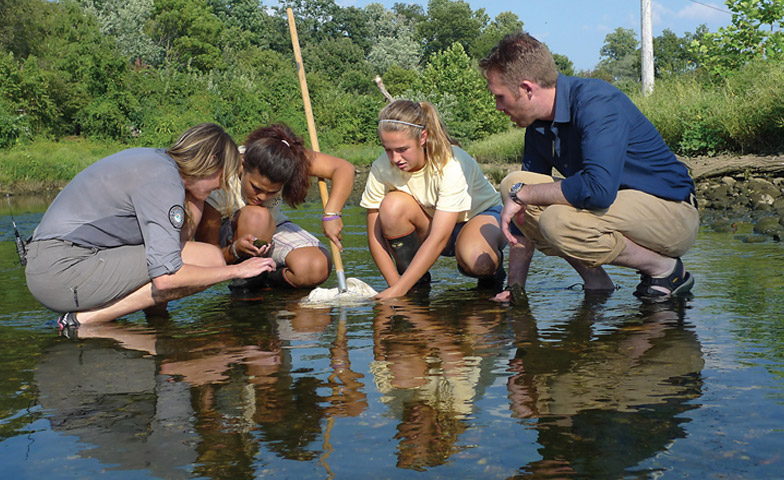
Integrating service-learning with the study of science inspires students to explore. Real-world learning transforms passive observation into well-planned, deliberate action. By studying the environment, students identify connections that inspire questions: What issues affect our environment today? How can collective actions change trends caused by everyday habits? How can classroom learning transfer to real world situations?

Read More… from Are You Ready for an Expedition?

Leveling Up in a Gamified Classroom

Our students, like all students, don’t always do what they are supposed to do. Sometimes they talk when they should be listening. Sometimes they don’t read directions. Sometimes they have trouble working together in a cooperative setting. That being said, sometimes our students do something naughty that most other kids don’t do. Many educators have

Read More… from Leveling Up in a Gamified Classroom

Anxiety in the Classroom—Another Learning Disability?

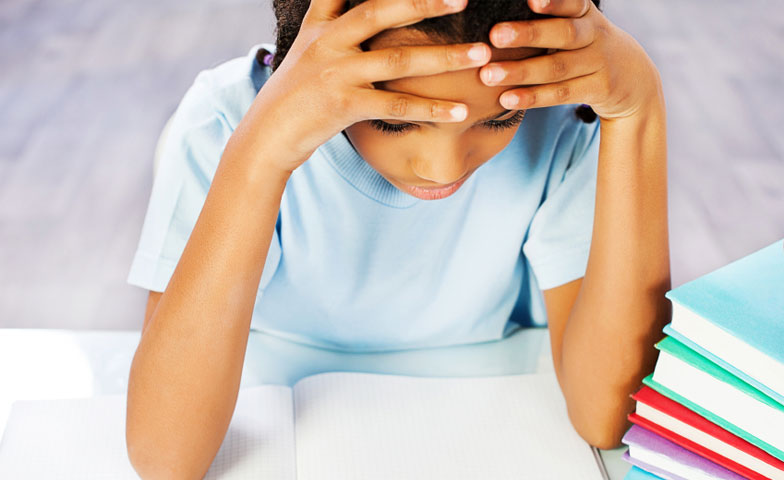
Anxiety is the most prevalent mental health crisis facing Americans. Eight percent of teens are diagnosed, though countless more suffer symptoms. Few seek help. Teachers are on the front lines wondering how to help as they see firsthand the consequences in both cognitive and psychological decline. As anxiety levels increase, executive functions diminish and IQ

Read More… from Anxiety in the Classroom—Another Learning Disability?